Colon and Rectal Surgery कोलोन र रेक्टल सर्जरी
Comprehensive Surgical Care for Colorectal Conditions कोलोरेक्टल अवस्थाहरूको लागि व्यापक शल्यक्रिया हेरचाह
Overview
Colon and rectal surgery, also known as colorectal surgery, encompasses a wide range of surgical procedures to treat diseases of the colon, rectum, and anus. Our practice offers advanced surgical techniques including minimally invasive laparoscopic procedures to ensure optimal outcomes with faster recovery times.
Common Conditions Treated
Colorectal Cancer
Colorectal cancer is one of the most common cancers affecting both men and women. Early detection through screening is crucial for successful treatment. We provide comprehensive surgical care for all stages of colorectal cancer.
Treatment options include:
- Surgical resection (removal of affected portion of colon or rectum)
- Laparoscopic and robotic-assisted colorectal surgery
- Advanced oncological procedures
- Multidisciplinary approach with medical oncology and radiation therapy
- Sphincter-preserving procedures when possible
Inflammatory Bowel Disease (IBD)
We provide surgical management for patients with Crohn’s disease and ulcerative colitis when medical management is insufficient or complications arise.
Surgical interventions include:
- Bowel resection for strictures, fistulas, or diseased segments
- Ileostomy or colostomy creation (temporary or permanent)
- Proctocolectomy with ileal pouch-anal anastomosis (IPAA)
- Strictureplasty for Crohn’s disease
- Emergency surgery for perforation or toxic megacolon
Diverticular Disease
Diverticulitis occurs when small pouches (diverticula) in the colon wall become inflamed or infected. Surgical treatment may be necessary for recurrent episodes or complications.
Treatment includes:
- Elective sigmoid colectomy for recurrent diverticulitis
- Emergency surgery for perforation, abscess, or obstruction
- Laparoscopic resection with primary anastomosis
- Hartmann’s procedure for severe cases
Bowel Obstruction
Intestinal obstruction can occur due to adhesions, hernias, tumors, or other causes. Prompt surgical intervention may be required.
Management includes:
- Adhesiolysis (release of adhesions)
- Resection of obstructing lesions
- Hernia repair
- Stoma creation if needed
Rectal Prolapse
Rectal prolapse occurs when the rectum protrudes through the anus. Surgical correction can restore normal anatomy and function.
Surgical options:
- Abdominal rectopexy (laparoscopic or open)
- Perineal procedures (Delorme or Altemeier)
- Combination procedures for optimal results
Polyps and Benign Tumors
Large polyps or benign tumors that cannot be removed endoscopically may require surgical resection.
Procedures include:
- Segmental colectomy
- Transanal excision
- Minimally invasive approaches when appropriate
Surgical Approaches
Laparoscopic Surgery
Minimally invasive laparoscopic surgery offers numerous benefits including smaller incisions, less pain, shorter hospital stays, and faster recovery times. We utilize advanced laparoscopic techniques for most colorectal procedures.
Benefits of laparoscopic surgery:
- Reduced postoperative pain
- Smaller scars and improved cosmetic results
- Faster return to normal activities
- Lower risk of wound complications
- Enhanced visualization for the surgeon
Open Surgery
Traditional open surgery may be necessary for complex cases, large tumors, or emergency situations. Our experienced surgical team ensures optimal outcomes regardless of the approach.
Robotic-Assisted Surgery
For selected cases, robotic-assisted surgery provides enhanced precision and dexterity, particularly beneficial for complex rectal operations.
What to Expect
Before Surgery
Preoperative preparation includes:
- Comprehensive medical evaluation
- Bowel preparation (if required)
- Nutritional assessment and optimization
- Discussion of surgical risks and benefits
- Stoma site marking (if applicable)
- Counseling from enterostomal therapy nurse
During Surgery
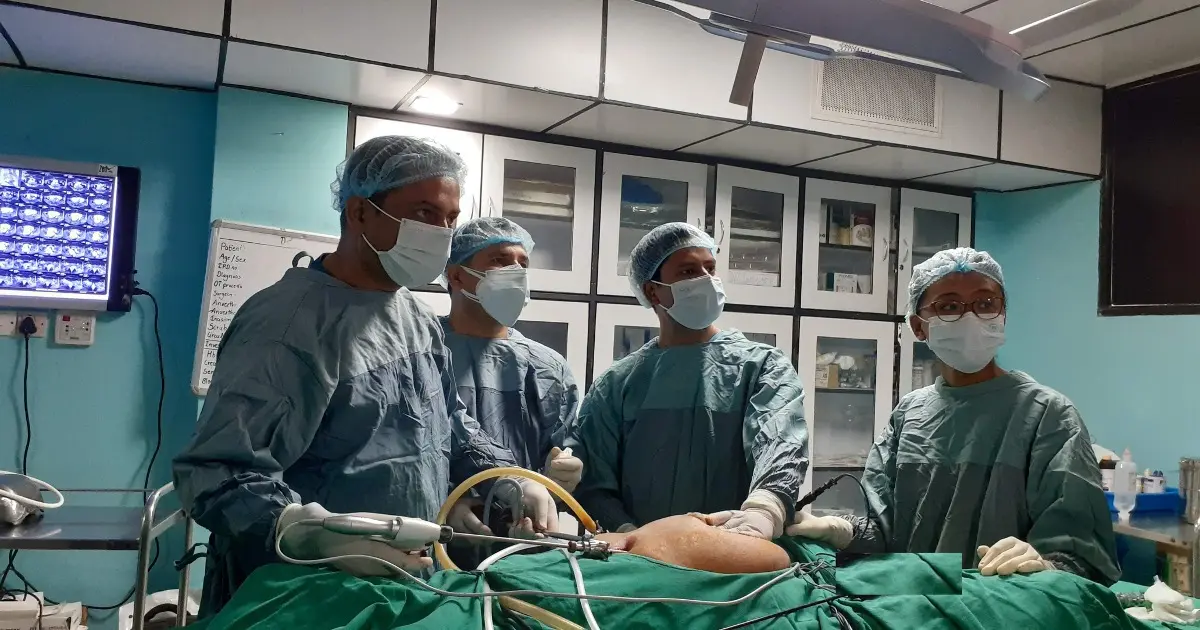
Surgeries are performed in a modern, fully-equipped operating theater with state-of-the-art equipment. Our experienced surgical team prioritizes patient safety and optimal outcomes.
After Surgery
Postoperative care includes:
- Pain management
- Early mobilization to prevent complications
- Gradual resumption of diet
- Wound care and monitoring
- Stoma care education (if applicable)
- Follow-up appointments for recovery monitoring
Recovery Timeline
Recovery time varies depending on the procedure and individual factors. Laparoscopic procedures typically allow for faster recovery compared to open surgery. Most patients can expect to return to normal activities within 4-6 weeks.
Why Choose Our Practice
- Board-certified colorectal surgeon with extensive experience
- Advanced laparoscopic and minimally invasive techniques
- Comprehensive preoperative and postoperative care
- Multidisciplinary approach working with oncologists, radiologists, and other specialists
- Patient-centered care with emphasis on quality of life
- Access to latest surgical technologies and techniques
- Dedicated support staff including specialized nurses and enterostomal therapists
Frequently Asked Questions
Will I need a colostomy?
Not all colorectal surgeries require a stoma. Many procedures allow for primary reconnection of the bowel. When a stoma is necessary, it may be temporary or permanent depending on the condition and surgery performed.
How long is the hospital stay?
Hospital stay varies by procedure. Laparoscopic surgery typically requires 3-5 days, while more extensive open procedures may require longer hospitalization.
When can I return to work?
Return to work depends on the type of surgery and your occupation. Most patients can return to desk work within 2-4 weeks and physically demanding work within 6-8 weeks.
What are the risks?
As with any surgery, risks include bleeding, infection, blood clots, and anesthesia-related complications. Specific risks related to colorectal surgery include anastomotic leak, bowel obstruction, and stoma-related complications. We take every precaution to minimize these risks.
Frequently Asked Questions
Will I need a colostomy?
Not all colorectal surgeries require a stoma. When needed, it may be temporary or permanent depending on the condition and procedure.
How long is the hospital stay?
Laparoscopic surgery typically requires 3-5 days, while more extensive open procedures may require longer hospitalization.
When can I return to work?
Many patients return to desk work within 2-4 weeks and physically demanding work within 6-8 weeks, depending on the procedure.
What are the risks?
Risks include bleeding, infection, blood clots, anesthesia-related complications, and procedure-specific risks like anastomotic leak or bowel obstruction.
Schedule Your Consultation
If you have been diagnosed with a these condition requiring surgical treatment, or if you would like a second opinion, we encourage you to schedule a consultation. During your visit, we will discuss your condition, review diagnostic studies, explain treatment options, and develop a personalized surgical plan.
Book Your Consultation
(Book your consultation)
Early consultation can prevent complications. Don't wait for symptoms to worsen.
परिचय
कोलोन र रेक्टल सर्जरी, जसलाई कोलोरेक्टल सर्जरी पनि भनिन्छ, कोलोन, रेक्टम र गुदाका रोगहरूको उपचार गर्न विभिन्न शल्यक्रिया प्रक्रियाहरू समावेश गर्दछ। हाम्रो अभ्यासले छिटो निको हुने र उत्तम नतिजाहरू सुनिश्चित गर्न न्यूनतम आक्रामक ल्याप्रोस्कोपिक प्रक्रियाहरू सहित उन्नत शल्यक्रिया प्रविधिहरू प्रदान गर्दछ।
उपचार गरिने सामान्य अवस्थाहरू
कोलोरेक्टल क्यान्सर
कोलोरेक्टल क्यान्सर पुरुष र महिला दुवैलाई असर गर्ने सबैभन्दा सामान्य क्यान्सरहरू मध्ये एक हो। सफल उपचारको लागि स्क्रिनिंग मार्फत प्रारम्भिक पत्ता लगाउनु महत्त्वपूर्ण छ। हामी कोलोरेक्टल क्यान्सरका सबै चरणहरूको लागि व्यापक शल्यक्रिया हेरचाह प्रदान गर्दछौं।
उपचार विकल्पहरूमा समावेश छन्:
- शल्यक्रिया रिसेक्शन (कोलोन वा रेक्टमको प्रभावित भाग हटाउने)
- ल्याप्रोस्कोपिक र रोबोटिक-सहायता कोलोरेक्टल सर्जरी
- उन्नत ओन्कोलोजिकल प्रक्रियाहरू
- मेडिकल ओन्कोलोजी र विकिरण थेरापीसँग बहु-विषयक दृष्टिकोण
- सम्भव भएसम्म स्फिंक्टर-संरक्षण प्रक्रियाहरू
इन्फ्लेमेटरी बोवेल डिजिज (IBD)
जब चिकित्सा व्यवस्थापन अपर्याप्त हुन्छ वा जटिलताहरू उत्पन्न हुन्छन्, हामी क्रोहन रोग र अल्सरेटिभ कोलाइटिस भएका बिरामीहरूको लागि शल्यक्रिया व्यवस्थापन प्रदान गर्दछौं।
शल्यक्रिया हस्तक्षेपहरूमा समावेश छन्:
- स्ट्रिक्चर, फिस्टुला, वा रोगग्रस्त खण्डहरूको लागि आन्द्रा रिसेक्शन
- इलियोस्टोमी वा कोलोस्टोमी निर्माण (अस्थायी वा स्थायी)
- इलियल पाउच-एनल एनास्टोमोसिस (IPAA) सँग प्रोक्टोकोलेक्टोमी
- क्रोहन रोगको लागि स्ट्रिक्चरप्लास्टी
- छिद्र वा विषाक्त मेगाकोलोनको लागि आपतकालीन शल्यक्रिया
डाइभर्टिकुलर रोग
डाइभर्टिकुलाइटिस तब हुन्छ जब कोलोन पर्खालमा साना थैलीहरू (डाइभर्टिकुला) सूजन वा संक्रमित हुन्छन्। बारम्बार एपिसोड वा जटिलताहरूको लागि शल्यक्रिया उपचार आवश्यक हुन सक्छ।
उपचारमा समावेश छ:
- बारम्बार डाइभर्टिकुलाइटिसको लागि वैकल्पिक सिग्मोइड कोलेक्टोमी
- छिद्र, फोड़ा, वा अवरोधको लागि आपतकालीन शल्यक्रिया
- प्राथमिक एनास्टोमोसिसको साथ ल्याप्रोस्कोपिक रिसेक्शन
- गम्भीर केसहरूको लागि हार्टम्यान प्रक्रिया
आन्द्रा अवरोध
आन्त्र अवरोध एडहेसन, हर्निया, ट्यूमर, वा अन्य कारणहरूको कारण हुन सक्छ। तुरुन्त शल्यक्रिया हस्तक्षेप आवश्यक हुन सक्छ।
व्यवस्थापनमा समावेश छ:
- एडहेसियोलाइसिस (एडहेसनहरूको रिलीज)
- अवरोध गर्ने घावहरूको रिसेक्शन
- हर्निया मर्मत
- आवश्यक भएमा स्टोमा निर्माण
रेक्टल प्रोलाप्स
रेक्टल प्रोलाप्स तब हुन्छ जब रेक्टम गुदा मार्फत बाहिर निस्कन्छ। शल्यक्रिया सुधारले सामान्य शरीर रचना र कार्य पुनर्स्थापित गर्न सक्छ।
शल्यक्रिया विकल्पहरू:
- पेटको रेक्टोपेक्सी (ल्याप्रोस्कोपिक वा खुला)
- पेरिनियल प्रक्रियाहरू (डेलोर्म वा अल्टेमियर)
- इष्टतम नतिजाहरूको लागि संयोजन प्रक्रियाहरू
पोलिप्स र बेनाइन ट्यूमर
ठूला पोलिप्स वा बेनाइन ट्यूमरहरू जुन एन्डोस्कोपिक रूपमा हटाउन सकिँदैन, शल्यक्रिया रिसेक्शन आवश्यक हुन सक्छ।
प्रक्रियाहरूमा समावेश छ:
- सेग्मेन्टल कोलेक्टोमी
- ट्रान्सअनल एक्साइजन
- उपयुक्त हुँदा न्यूनतम आक्रामक दृष्टिकोण
शल्यक्रिया दृष्टिकोण
ल्याप्रोस्कोपिक सर्जरी
न्यूनतम आक्रामक ल्याप्रोस्कोपिक सर्जरीले साना चीरा, कम दुखाइ, छोटो अस्पताल बसाइ, र छिटो रिकभरी समय सहित धेरै फाइदाहरू प्रदान गर्दछ। हामी अधिकांश कोलोरेक्टल प्रक्रियाहरूको लागि उन्नत ल्याप्रोस्कोपिक प्रविधिहरू प्रयोग गर्दछौं।
ल्याप्रोस्कोपिक सर्जरीका फाइदाहरू:
- पोस्टअपरेटिभ दुखाइ कम
- साना दाग र सुधारिएको कस्मेटिक परिणामहरू
- सामान्य गतिविधिहरूमा छिटो फर्कने
- घाउ जटिलताहरूको कम जोखिम
- सर्जनको लागि परिष्कृत दृश्यावलोकन
खुला सर्जरी
परम्परागत खुला शल्यक्रिया जटिल केसहरू, ठूला ट्यूमरहरू, वा आपतकालीन अवस्थाहरूको लागि आवश्यक हुन सक्छ। हाम्रो अनुभवी शल्यक्रिया टोलीले दृष्टिकोणको बावजुद इष्टतम नतिजाहरू सुनिश्चित गर्दछ।
रोबोटिक-सहायता सर्जरी
चयन गरिएका केसहरूको लागि, रोबोटिक-सहायता शल्यक्रियाले परिष्कृत परिशुद्धता र निपुणता प्रदान गर्दछ, विशेष गरी जटिल रेक्टल अपरेशनहरूको लागि लाभदायक।
के अपेक्षा गर्ने
सर्जरी अघि
प्रिअपरेटिभ तयारीमा समावेश छ:
- व्यापक चिकित्सा मूल्याङ्कन
- आन्द्रा तयारी (यदि आवश्यक भएमा)
- पोषण मूल्याङ्कन र अनुकूलन
- शल्यक्रिया जोखिम र फाइदाहरूको छलफल
- स्टोमा साइट मार्किङ (यदि लागू भएमा)
- एन्टरोस्टोमल थेरापी नर्सबाट परामर्श
सर्जरीको समयमा
शल्यक्रियाहरू अत्याधुनिक उपकरणहरू सहितको आधुनिक, पूर्ण सुसज्जित अपरेटिङ थिएटरमा गरिन्छ। हाम्रो अनुभवी शल्यक्रिया टोलीले बिरामी सुरक्षा र इष्टतम नतिजाहरूलाई प्राथमिकता दिन्छ।
सर्जरी पछि
पोस्टअपरेटिभ हेरचाहमा समावेश छ:
- दुखाइ व्यवस्थापन
- जटिलताहरू रोक्न प्रारम्भिक गतिशीलता
- आहारको क्रमिक पुनःसुरुवात
- घाउ हेरचाह र निगरानी
- स्टोमा हेरचाह शिक्षा (यदि लागू भएमा)
- रिकभरी निगरानीको लागि फलोअप अपोइन्टमेन्टहरू
रिकभरी टाइमलाइन
रिकभरी समय प्रक्रिया र व्यक्तिगत कारकहरूमा निर्भर गर्दछ। ल्याप्रोस्कोपिक प्रक्रियाहरूले सामान्यतया खुला शल्यक्रियाको तुलनामा छिटो रिकभरीको लागि अनुमति दिन्छ। अधिकांश बिरामीहरूले 4-6 हप्ता भित्र सामान्य गतिविधिहरूमा फर्कने आशा गर्न सक्छन्।
हाम्रो अभ्यास किन छनोट गर्ने
- व्यापक अनुभव भएको बोर्ड-प्रमाणित कोलोरेक्टल सर्जन
- उन्नत ल्याप्रोस्कोपिक र न्यूनतम आक्रामक प्रविधिहरू
- व्यापक प्रिअपरेटिभ र पोस्टअपरेटिभ हेरचाह
- ओन्कोलोजिस्ट, रेडियोलोजिस्ट, र अन्य विशेषज्ञहरूसँग बहु-विषयक दृष्टिकोण
- जीवनको गुणस्तरमा जोड दिएर रोगी-केन्द्रित हेरचाह
- नवीनतम शल्यक्रिया प्रविधि र प्रविधिहरूमा पहुँच
- विशेष नर्सहरू र एन्टरोस्टोमल थेरापिस्टहरू सहित समर्पित समर्थन कर्मचारी
बारम्बार सोधिने प्रश्नहरू
के मलाई कोलोस्टोमी चाहिन्छ?
सबै कोलोरेक्टल शल्यक्रियाहरूलाई स्टोमा आवश्यक पर्दैन। धेरै प्रक्रियाहरूले आन्द्राको प्राथमिक पुन:जडानको लागि अनुमति दिन्छ। जब स्टोमा आवश्यक हुन्छ, यो अवस्था र गरिएको शल्यक्रियामा निर्भर गर्दै अस्थायी वा स्थायी हुन सक्छ।
अस्पतालको बसाइ कति लामो छ?
अस्पताल बसाइ प्रक्रिया अनुसार फरक हुन्छ। ल्याप्रोस्कोपिक सर्जरीलाई सामान्यतया 3-5 दिन चाहिन्छ, जबकि थप व्यापक खुला प्रक्रियाहरूलाई लामो अस्पताल भर्ना आवश्यक हुन सक्छ।
म कहिले काममा फर्कन सक्छु?
काममा फर्कनु शल्यक्रियाको प्रकार र तपाईंको पेशामा निर्भर गर्दछ। अधिकांश बिरामीहरू 2-4 हप्ता भित्र डेस्क वर्कमा र 6-8 हप्ता भित्र शारीरिक रूपमा माग गर्ने काममा फर्कन सक्छन्।
जोखिमहरू के हुन्?
कुनै पनि शल्यक्रियाको रूपमा, जोखिमहरूमा रक्तस्राव, संक्रमण, रगत थक्का, र एनेस्थेसिया-सम्बन्धित जटिलताहरू समावेश छन्। कोलोरेक्टल सर्जरीसँग सम्बन्धित विशिष्ट जोखिमहरूमा एनास्टोमोटिक लीक, आन्द्रा अवरोध, र स्टोमा-सम्बन्धित जटिलताहरू समावेश छन्। हामी यी जोखिमहरूलाई कम गर्न हरेक सावधानी अपनाउँछौं।
बारम्बार सोधिने प्रश्नहरू
के मलाई कोलोस्टोमी चाहिन्छ?
सबै कोलोरेक्टल शल्यक्रियामा स्टोमा आवश्यक पर्दैन। आवश्यक परेमा, यो अवस्थाअनुसार अस्थायी वा स्थायी हुन सक्छ।
अस्पताल बसाइ कति लामो हुन्छ?
ल्याप्रोस्कोपिक शल्यक्रियामा सामान्यतया ३–५ दिन लाग्छ; खुला शल्यक्रियामा थप समय लाग्न सक्छ।
म कहिले काममा फर्कन सक्छु?
धेरै बिरामी २–४ हप्तामा डेस्क काम र ६–८ हप्तामा शारीरिक श्रम हुने काममा फर्कन सक्छन्।
जोखिमहरू के-के हुन्?
जोखिमहरूमा रक्तस्राव, संक्रमण, रगतको थक्का, एनेस्थेसियासम्बन्धी जटिलता, र एनास्टोमोटिक लिक वा आन्द्रा अवरोध जस्ता विशेष जोखिमहरू पर्छन्।
परामर्शको समय तालिका चयन गर्नु होस
यदि तपाईंलाई शल्यक्रिया उपचार आवश्यक पर्ने कोलोरेक्टल अवस्थाको निदान गरिएको छ भने, वा यदि तपाईंलाई दोस्रो राय चाहिन्छ भने, हामी तपाईंलाई परामर्श तालिका बनाउन प्रोत्साहित गर्छौं। तपाईंको भ्रमणको क्रममा, हामी तपाईंको अवस्थाको बारेमा छलफल गर्नेछौं, निदान अध्ययनहरूको समीक्षा गर्नेछौं, उपचार विकल्पहरू व्याख्या गर्नेछौं, र व्यक्तिगत शल्यक्रिया योजना विकास गर्नेछौं।
आफ्नो परामर्श बुक गर्नुहोस्
(Book your consultation)
प्रारम्भिक परामर्शले जटिलताहरू रोक्न सक्छ। लक्षणहरू खराब हुनको लागि पर्खनुहोस्।
Disclaimer: The contents in this page are meant to spread knowledge among the general public. We don't encourage readers to self-manage or treat others using this knowledge. We strongly suggest consulting a doctor for proper treatment. Read full disclaimer